The Sacred Fire of Grief: A Ceremony for What We Have Lost
What Becomes Possible Through Grief
Grief can change the way we see ourselves, our relationships, and our lives. When we allow ourselves to slow down and truly meet what has been lost, something deeper can begin to emerge. We may discover insights we could not access before, recognize what the experience has taught us, or begin to see our lives from a new perspective.
A grief ceremony creates space for this kind of transformation. By bringing our loss into conscious awareness and giving it form through story, symbolism, creativity, and reflection, we can begin to understand not only what we have lost, but what the experience has revealed about what matters most. Sometimes grief clarifies our values, deepens our capacity to love, changes the way we understand ourselves, or awakens a part of us that had been waiting to be seen.
This does not mean that loss was meant to happen or that we need to find a lesson in everything we have endured. Rather, it is an invitation to discover what becomes possible when we allow our experience to shape us without allowing it to define or diminish us.
Over time, grief can expand our capacity to hold both sorrow and love, loss and gratitude, endings and beginnings. A ceremony can help us honor what has been while gently opening our hearts to what is still possible—allowing the experience of loss to become part of a larger, deeper story of who we are and who we are becoming.
What a Grief Ceremony Can Look Like
Grief ceremonies are not about forcing closure or “moving on.” They are about creating a meaningful container for loss—so that grief has somewhere to go, what has been lost can be honored, and what remains can be integrated into the story of who you are becoming.
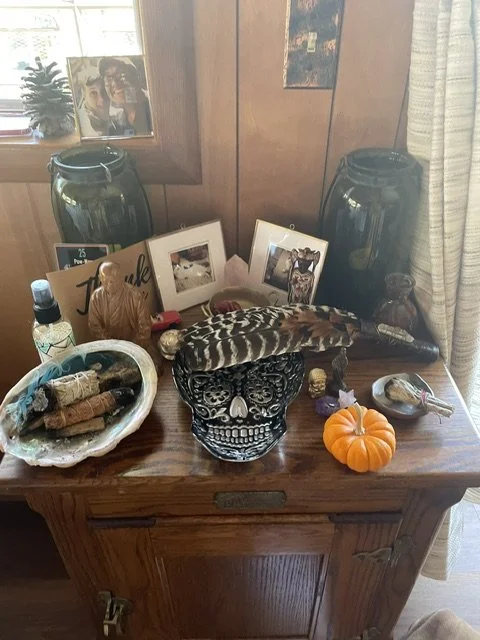
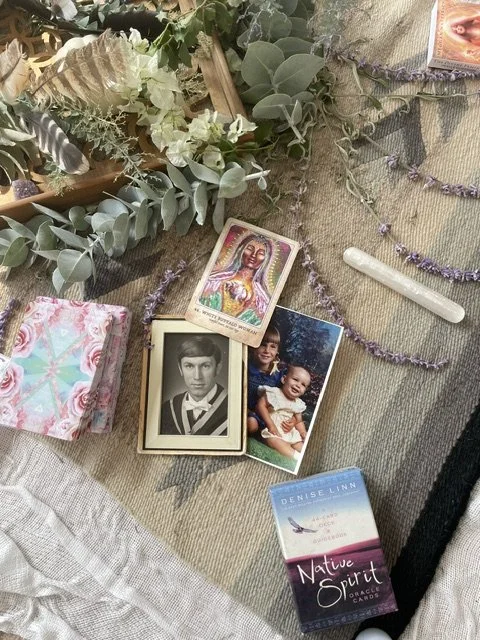
A ceremony offers a way to express and explore grief beyond words. This may include creating an altar with meaningful objects, photographs, or natural elements; writing letters, poetry, or stories; incorporating music, song, or movement; creating art or working with images and symbols; or telling the story of what has been lost and what it has meant to you.
A ceremony may be an act of remembrance, a symbolic goodbye, an acknowledgment of what has changed, or a way of honoring what you want to carry forward. It can also mark a threshold—a moment when one chapter has ended, and another is beginning, even when you do not yet know what comes next.
Rather than trying to make grief disappear, ceremony allows us to enter into relationship with it: to witness what has been, give expression to what is felt, and make space for meaning to emerge.
Through creativity, symbolism, story, and reflection, grief can become something we learn to carry differently—not something we have to leave behind.
Grief Ceremony
Grief is not something we simply “get over.” It is an experience that asks to be felt, witnessed, honored, and given meaning.
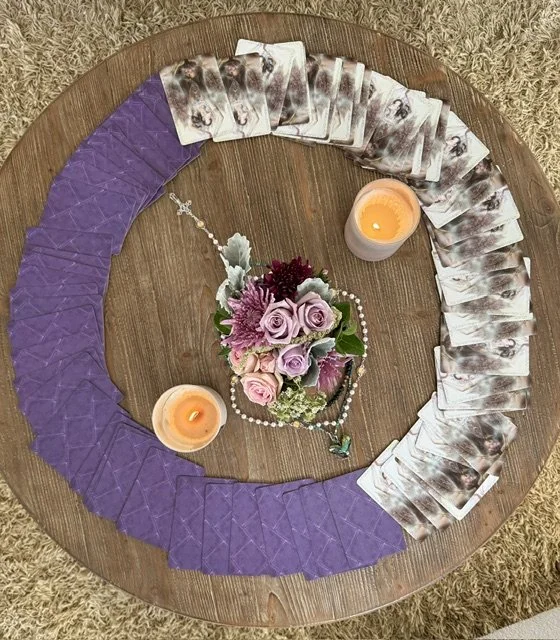
A grief ceremony is an intentional therapeutic experience that creates space to acknowledge loss, honor what mattered, and express the emotions that accompany grief. It may include writing a letter, lighting a candle, creating an altar, gathering meaningful objects, or engaging in a personal act of remembrance.
Making Meaning from Loss
Grief marks a threshold between what was and what is becoming. A ceremony offers space to honor what has changed, express what remains unspoken, and explore what you wish to carry forward.
In therapy, we may create a personalized ceremony to honor a person, relationship, home, identity, or season of life. Through reflection, symbolic expression, and compassionate witnessing, we make space for healing and explore how love, meaning, and connection can continue beyond loss. Grief ceremonies offer a sacred space to honor what was, make room for what is, and gently open to what may become.